Patio Repairs in Canary Wharf: Practical Solutions for Stylish Outdoor Spaces
Why Patio Repairs in Canary Wharf Matter for Modern Homes and Businesses

Patios play a major role in how outdoor spaces look, feel, and function. In a busy area like Canary Wharf, where modern living meets high standards of design, patio repairs in Canary Wharf are not just about fixing cracked slabs or replacing damaged grout. They are about protecting a valuable outdoor asset, improving safety, and preserving the polished appearance that property owners expect.
A well-maintained patio can transform a terrace, garden, balcony area, or commercial courtyard into a usable and attractive space. Over time, however, weather exposure, heavy foot traffic, poor drainage, and general wear can create problems. When that happens, timely Canary Wharf patio repairs can help restore both appearance and function before minor issues become expensive structural concerns.
Whether you own a riverside apartment, manage a rental property, or maintain a hospitality venue, patio repair services can make a noticeable difference. The right approach helps ensure the surface stays level, safe, and visually consistent with the surrounding environment. In a high-value district like Canary Wharf, attention to detail matters.
Common Signs You Need Patio Repairs in Canary Wharf
Spotting the early warning signs of patio damage is the best way to avoid larger repair bills later. Many property owners search for patio repairs in Canary Wharf only after the damage has already become obvious, but there are often subtle indicators long before that point.
Some of the most common signs include loose paving, sinking slabs, surface cracks, faded jointing, pooling water, and uneven edges. You may also notice weeds pushing through joints or a patio that feels unstable underfoot. In some cases, the problem is not the surface itself but the base beneath it, which may have shifted due to water movement or ground settlement.
It is also worth watching for cosmetic changes. Staining, discolouration, moss buildup, and efflorescence can all suggest moisture problems or aging materials. Canary Wharf patio repairs should address both visible defects and hidden causes to provide lasting results, not just a quick patch-up.
- Cracked or chipped paving stones
- Loose or missing grout and joint sand
- Standing water after rain
- Uneven or rocking slabs
- Plant growth between joints
- Surface staining or algae buildup
What Causes Patio Damage in Canary Wharf?

Understanding what causes patio damage can help property owners make smarter repair decisions. In Canary Wharf, the combination of urban development, changing weather, and intensive use means outdoor surfaces often face unique challenges. Patio repairs in Canary Wharf often need to account for both environmental and usage-related damage.
One major factor is water. Even high-quality patios can suffer if drainage is poor or if the installation does not allow water to flow away properly. Freeze-thaw cycles may worsen cracks during colder months, while consistent dampness can weaken joints and encourage moss growth. Over time, small drainage issues can lead to larger structural movement.
Another common cause is settlement. If the sub-base was not properly compacted during installation, slabs may sink or tilt. Heavy use, furniture movement, maintenance equipment, and even rooftop or terrace load changes can contribute to the problem. In commercial settings, patio repair services in Canary Wharf often involve reinforcing the base as much as replacing the surface.
Environmental and lifestyle factors
The local environment matters too. Air pollution, coastal moisture in the wider London area, and shadowed spaces that do not dry quickly can all affect paving durability. On top of that, patios in apartments, office courtyards, and restaurant terraces experience frequent foot traffic, which increases wear. That is why patio repairs Canary Wharf projects should be tailored to the specific property type and usage level.
Types of Patio Repairs in Canary Wharf
Not every patio problem requires a full replacement. In many cases, targeted Canary Wharf patio repairs are enough to restore the surface and extend its lifespan. The most appropriate fix depends on the type of damage, the materials used, and the condition of the underlying base.
Typical repair services include replacing damaged slabs, resetting uneven paving, repointing joints, cleaning and sealing surfaces, improving drainage, and rebuilding sections that have become unstable. Natural stone, porcelain, concrete, and block paving all have different repair requirements, so the method used should match the existing patio construction.
For more severe issues, partial reconstruction may be needed. This can involve lifting affected areas, rebuilding the sub-base, and relaying materials with better support and fall direction. A skilled approach to patio repairs in Canary Wharf ensures the finished surface looks consistent while performing reliably over time.
- Slab replacement and relaying
- Repointing or resanding joints
- Level correction and re-levelling
- Drainage improvement
- Surface cleaning, treatment, and sealing
- Partial rebuilds of damaged zones
How Patio Repairs Improve Safety and Property Value

Patios are often used daily, which makes safety a key concern. Loose paving, raised edges, and slippery growth can create trip hazards or make the surface unsafe in wet weather. Patio repairs in Canary Wharf help reduce these risks by improving level surfaces, securing loose materials, and addressing drainage or algae issues.
For homeowners and landlords, there is also a strong value argument. A neat, level, and well-maintained patio improves kerb appeal and helps create a more premium impression. In a competitive property market, even outdoor features can influence how a property is viewed by buyers, tenants, or guests. A repaired patio can make a garden or terrace feel like an extension of the living space rather than an afterthought.
Businesses benefit too. Restaurants, cafés, managed office spaces, and hospitality venues often rely on outdoor seating or shared exterior areas to enhance their image. Professional Canary Wharf patio repairs support a clean, welcoming setting that reflects well on the property as a whole. First impressions matter, especially in a location associated with quality and professionalism.
Benefits at a glance
When properly completed, patio repair work can:
- Reduce trip and slip hazards
- Improve drainage and weather resistance
- Restore a neat, attractive finish
- Protect against further structural damage
- Support higher property appeal and usability
Materials Commonly Repaired in Canary Wharf Patios
The material used on a patio significantly affects how repairs should be carried out. In Canary Wharf, a wide range of properties use different paving styles, from sleek porcelain slabs to traditional stone and practical concrete finishes. Each material has unique strengths and repair needs, so patio repairs in Canary Wharf must be planned with care.
Natural stone patios may require colour-matched replacement stones, careful cleaning, and compatible jointing products. Porcelain slabs are durable and stylish, but when damaged they often need precise lifting and replacement due to their dense surface. Concrete paving may be more forgiving in some situations, though cracks and settlement can still require professional attention. Block paving patios, while less common in some modern developments, may need resanding and edge restraint repairs.
Choosing the right repair method is important not only for performance but also for appearance. A mismatched repair can stand out and reduce the overall effect of the patio. Quality Canary Wharf patio repairs aim to blend new work with the existing design as closely as possible.
- Natural stone: requires careful matching and sealing
- Porcelain: needs accurate replacement and fixing methods
- Concrete: often benefits from levelling and crack management
- Block paving: may need sanding, edging, and re-levelling
The Patio Repair Process: What to Expect
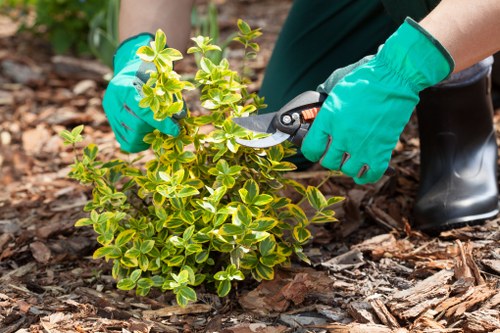
Knowing what happens during a repair project makes the process feel more straightforward. While every job is different, most patio repairs in Canary Wharf follow a logical sequence designed to identify the cause of the damage, fix the issue, and deliver a durable finish.
First comes inspection. A professional will assess the patio surface, check for movement, and look for signs of base failure, drainage problems, or damaged joints. This stage is important because visible symptoms do not always reveal the true source of the issue. For example, a cracked slab may be the result of subsidence or water pooling rather than simple wear.
Next, the affected area is prepared. Damaged slabs may be lifted, old mortar removed, and the base inspected or rebuilt. If the problem is minor, the repair may involve re-bedding loose sections, repointing joints, or applying a treatment to improve surface protection. Once the repair is complete, the area is cleaned and checked for proper levels, alignment, and finish.
Typical steps involved
- Initial survey and diagnosis
- Removal of damaged paving or failing joints
- Base repair, reinforcement, or levelling
- Replacement of slabs or surface materials
- Repointing, sealing, and finishing
- Final inspection and cleanup
Choosing the Right Patio Repair Approach
There is no one-size-fits-all solution when it comes to Canary Wharf patio repairs. A small crack in a single slab may only require replacement, while a sinking patio area may need more extensive structural correction. The best repair strategy depends on the severity of the problem and the long-term goals of the property owner.
If the patio has localised damage but the surrounding structure is sound, targeted repairs are often the most cost-effective choice. However, if problems are recurring, it may be worth investing in deeper work to rebuild the area properly. The aim should always be durability, not simply appearance. A good repair solves the cause, not just the symptom.
It is also important to think about how the patio is used. A family garden, a rental balcony, and a customer-facing terrace all have different demands. Frequent use may justify stronger materials, better drainage, and improved finishes. For this reason, professional patio repairs in Canary Wharf should be matched to the property’s actual conditions, not just the visible damage.
- Localised repairs for isolated damage
- Structural repairs for movement or settlement
- Drainage-focused repairs for water buildup
- Surface restoration for cosmetic ageing
Seasonal Issues Affecting Patio Repairs in Canary Wharf
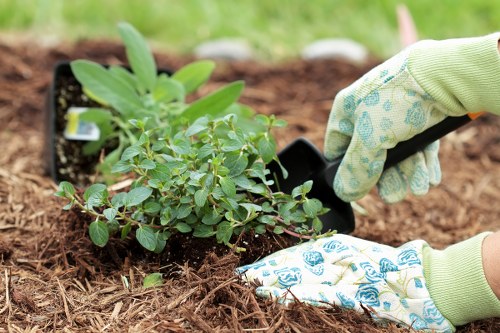
Seasonal changes can have a major effect on patio condition. In London, rain, cold spells, and sudden temperature shifts can all accelerate wear. That is why many property owners look into patio repairs in Canary Wharf at different times of year, especially after winter or during periods of prolonged wet weather.
During colder months, water may seep into cracks and expand when temperatures drop, worsening existing defects. In wetter periods, surface algae and moss can make patios slippery and unpleasant to use. Summer heat may not be as damaging structurally, but it can still reveal movement issues or cause sealants to age more quickly. Regular checks help catch these problems early.
Spring and early autumn are often ideal times for repairs because weather conditions are more stable. That said, many Canary Wharf patio repairs can be carried out year-round, provided the work is planned around moisture levels and material curing requirements. Timing matters, but timely action matters even more.
Maintenance tips between repairs
To keep a patio in better condition between repair visits, consider the following:
- Sweep the surface regularly to remove debris
- Wash away dirt and organic growth before it spreads
- Check joints after heavy rain
- Keep drainage channels clear
- Avoid using harsh chemicals that may damage finishes
Patio Repairs for Residential and Commercial Properties
The needs of a residential patio and a commercial outdoor area are often very different. In a residential setting, comfort, appearance, and family safety are usually top priorities. In commercial settings, especially in Canary Wharf, durability, presentation, and compliance often take centre stage. That is why patio repairs in Canary Wharf should be adapted to the context of the property.
For residential properties, repairs may focus on restoring a pleasant garden space, improving access, or fixing a terrace that has become uneven over time. For commercial sites, the work may need to happen with minimal disruption to business operations. Surface quality, anti-slip performance, and rapid turnaround can all be more important in public-facing environments.
Professional Canary Wharf patio repairs can support both use cases by balancing appearance with practical durability. The result is a space that looks better and performs better, whether it is used for relaxing, entertaining, dining, or simply moving safely between building areas.
Residential priorities
- Comfortable outdoor living
- Child and family safety
- Visual harmony with the home
Commercial priorities
- Professional appearance
- Reduced liability from hazards
- Durability under frequent use
How to Keep Patio Repairs Lasting Longer
Once repairs are complete, good maintenance helps protect the investment. The best patio repairs in Canary Wharf deliver long-term value when they are supported by sensible aftercare and routine upkeep. This does not need to be complicated, but consistency matters.
Surface cleaning is one of the simplest ways to extend patio life. Removing leaves, dirt, and standing water reduces the chance of moss and algae taking hold. It is also sensible to inspect joints and edges from time to time, especially after storms or periods of freezing weather. Catching small issues early can prevent future rework.
Sealing may also be worthwhile for certain materials. A suitable sealer can help resist staining, water ingress, and weather-related wear. However, the product used should match the paving type. Canary Wharf patio repairs are most effective when the repaired area is maintained in a way that supports the original materials and finish.
- Keep the surface clean and debris-free
- Watch for movement after heavy rain
- Repoint or top up joints when needed
- Use appropriate sealers for the material
- Arrange inspections if problems reappear
Why Professional Expertise Makes a Difference
Although some small maintenance tasks can be handled by property owners, larger repair work usually benefits from professional skill. Patios can appear straightforward on the surface, but underlying issues such as sub-base failure, poor falls, and hidden drainage problems often require a trained eye. That is why many people seeking patio repairs in Canary Wharf prefer experienced specialists.
A professional approach helps ensure the diagnosis is accurate, the materials are suitable, and the repair is built to last. It also reduces the risk of repeated failures, mismatched finishes, or accidental damage during the work. For properties in a high-profile area like Canary Wharf, quality workmanship is especially important because the finished surface forms part of the property’s overall presentation.
When done well, Canary Wharf patio repairs can restore confidence in the outdoor space and make it usable again without unnecessary disruption. Good repair work should feel seamless, reliable, and visually in tune with the surrounding property.
Final thoughts
If your patio is cracked, uneven, or simply looking tired, now is the right time to act. Timely repairs can improve safety, enhance appearance, and protect your property from further damage. Whether the issue is a single slab or a larger structural concern, expert help can make all the difference. Contact us today to discuss your patio concerns and book your service now to get your outdoor space back in top condition.

