Flower Bed Creation in Canary Wharf: Designing Elegant Urban Planting for Modern Spaces
Why flower bed creation in Canary Wharf matters for urban landscapes
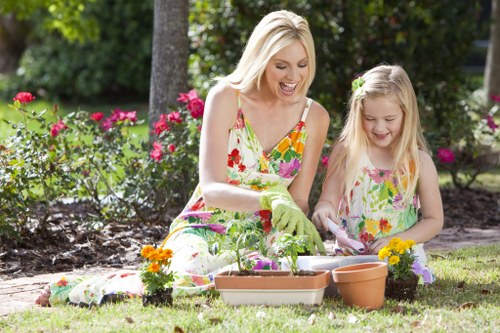
Flower bed creation in Canary Wharf is more than a decorative upgrade. In a district known for sleek towers, waterfront views, and fast-paced commercial life, thoughtful planting softens hard architecture and introduces a sense of calm. Whether the space belongs to a business plaza, residential courtyard, retail frontage, or private terrace, a well-planned flower bed can transform the atmosphere instantly.
Canary Wharf presents a unique setting for planting because it combines high foot traffic, reflective surfaces, wind exposure, and limited soil depth in many locations. That means successful flower bed creation needs both design skill and practical horticultural knowledge. The goal is not simply to place flowers in a border; it is to create a balanced, resilient, visually striking feature that thrives in an urban environment.
Well-executed flower bed creation in Canary Wharf can improve curb appeal, support pollinators, frame architectural elements, and reinforce brand identity for commercial properties. It can also increase the sense of wellbeing for residents and employees by bringing seasonal colour and texture into everyday surroundings.
Understanding the Canary Wharf environment before creating a flower bed

Every successful planting project begins with site assessment. In Canary Wharf, that assessment is especially important because the area’s built environment influences light, wind, moisture, and soil conditions. A flower bed created for a sheltered courtyard will differ greatly from one placed beside a glass office tower or along a raised planter overlooking the dock.
Sun exposure is one of the first factors to study. Some areas receive strong direct sunlight for many hours, while others remain shaded by tall buildings. Wind can be strong at street level and on elevated terraces, making delicate blooms more vulnerable. In addition, urban heat reflected from pavements and building facades can accelerate drying, which affects watering schedules and plant selection.
Soil quality matters too. Many locations in Canary Wharf use containers, raised beds, or engineered planting pockets rather than natural ground soil. These installations require careful soil preparation, effective drainage, and regular feeding. In other words, flower bed creation in Canary Wharf depends on choosing the right structure as much as the right plants.
Planning a flower bed design that suits Canary Wharf
Strong design is the backbone of any attractive planting scheme. When planning flower bed creation in Canary Wharf, the design should respond to the site’s purpose, size, viewing angles, and maintenance requirements. A bed seen from a distance can handle bold blocks of colour, while a narrow border near pedestrian paths may benefit from finer textures and layered heights.
Professionals often begin by identifying the intended impression. Do you want a refined, corporate look with evergreen structure and seasonal accents? Or do you prefer a lively display filled with colour, movement, and pollinator-friendly species? Both approaches can work well in Canary Wharf when tailored to the site.
Successful designs usually blend structure with softness. Hard landscaping such as stone, steel, timber, and paving dominates much of Canary Wharf, so planting must introduce contrast. Curved edges, layered forms, and mixed foliage can help the flower bed feel more natural while still complementing modern surroundings.
Key design principles to consider
- Scale: Match plant size to the dimensions of the bed and surrounding buildings.
- Colour: Choose palettes that suit branding, seasonality, and visual impact.
- Texture: Mix broad leaves, fine grasses, and flowering plants for depth.
- Structure: Use shrubs or evergreens to maintain year-round shape.
- Accessibility: Keep maintenance, watering, and pruning practical.
Choosing the best plants for flower bed creation in Canary Wharf

Plant selection is one of the most important parts of flower bed creation in Canary Wharf. The right mix should be attractive, resilient, and suited to the local microclimate. Because the area is urban and often windy, plants need to tolerate varying conditions without losing their visual appeal.
Seasonal interest is especially valuable. A flower bed that looks good in spring but fades in summer will not deliver year-round value. Instead, aim for layered planting that provides changing colour, foliage, and structure through the seasons. This might include a blend of perennials, annuals, ornamental grasses, evergreen shrubs, and bulbs.
For many Canary Wharf projects, the best plants are those that cope well with containers, raised beds, and urban exposure. Drought-tolerant varieties are often a smart choice because they reduce maintenance and survive warmer periods more effectively. Pollinator-friendly plants are also popular because they bring life and biodiversity to the landscape.
Popular plant types for urban flower beds
- Perennials: Reliable returners such as salvia, geranium, echinacea, and sedum.
- Annuals: Seasonal colour from petunias, begonias, impatiens, and marigolds.
- Grasses: Ornamental varieties that add movement and structure.
- Evergreens: Compact shrubs for stability and all-year interest.
- Bulbs: Tulips, daffodils, alliums, and hyacinths for seasonal bursts.
Soil preparation and drainage for lasting success

Even the most beautiful planting design will struggle without healthy soil. In flower bed creation in Canary Wharf, soil preparation is essential because many sites face compaction, restricted root space, or poor drainage. Raised beds and planters need a carefully balanced growing medium that retains moisture without becoming waterlogged.
Good drainage prevents root rot and helps plants remain vigorous. This often means using high-quality topsoil mixed with compost and, where necessary, added grit or sand to improve structure. Organic matter supports nutrient retention and promotes healthier root development. In container-based settings, a high-performance soil blend can make a major difference to plant longevity.
Before planting begins, the bed should be cleared of debris and assessed for any issues such as standing water or shallow substrate. In some cases, irrigation lines or drainage layers may need to be installed to ensure long-term performance. Flower bed creation in Canary Wharf works best when the foundation is built properly from the start.
Useful soil and drainage steps
- Test the site for moisture retention and runoff.
- Use nutrient-rich soil with good structure.
- Blend compost into the planting medium.
- Add drainage layers where the site requires it.
- Install irrigation for larger or exposed beds.
How seasonal flower bed creation enhances Canary Wharf year-round
Seasonal planning is one of the most effective ways to keep a planting scheme lively and attractive throughout the year. In Canary Wharf, where many spaces are visible to residents, employees, and visitors every day, seasonal change keeps the landscape feeling fresh. A well-managed flower bed can evolve with the calendar while still maintaining a coherent overall style.
Spring often calls for bright bulbs and fresh foliage, creating a sense of renewal after the colder months. Summer is ideal for vivid blooms and lush textures, especially in sunlit areas. Autumn planting can introduce rich reds, golds, and bronze tones, while winter beds may rely on evergreens, bark texture, and structural stems to maintain interest even in colder weather.
Flower bed creation in Canary Wharf becomes even more effective when the planting strategy includes rotation and succession planning. That means replacing tired annuals, refreshing mulch, and timing blooms so something is always in flower or at least in active foliage. This approach gives the space a polished and maintained appearance every month of the year.
Balancing aesthetics and maintenance in urban planting

Looks matter, but maintenance matters just as much. In a busy district like Canary Wharf, planting schemes should be visually appealing without becoming difficult to manage. A flower bed that requires constant intervention may quickly lose its charm, especially in commercial or shared spaces.
The best flower bed creation in Canary Wharf projects balance beauty with practicality. That means choosing plants with compatible growth rates, predictable water needs, and suitable pruning demands. It also means planning for access so gardeners can deadhead flowers, replace seasonal plants, and check irrigation without disrupting the surrounding area.
Mulching is another valuable tactic. It helps suppress weeds, retain soil moisture, and create a tidy finish. In urban settings, a neat mulch layer also improves the professional appearance of the bed. Regular maintenance should include feeding, trimming, pest monitoring, and seasonal replanting where needed.
Maintenance tasks that keep flower beds looking their best
- Watering based on weather, exposure, and plant type.
- Deadheading to encourage repeat flowering.
- Weed control to reduce competition for nutrients.
- Mulch renewal for moisture retention and visual neatness.
- Pruning and shaping to maintain design structure.
Flower bed creation in Canary Wharf for commercial spaces
Commercial properties in Canary Wharf often use planting to reinforce brand image and create a welcoming first impression. A stylish flower bed at an entrance, along a plaza edge, or beside a seating area can make a business feel more polished and approachable. In competitive environments, details like planting design can influence how people perceive a space.
For offices, hotels, retail destinations, and mixed-use developments, the flower bed should reflect the tone of the property. Minimalist schemes with architectural plants suit sleek corporate buildings, while colourful and inviting borders may be ideal for hospitality or customer-facing spaces. The key is consistency. A thoughtfully designed bed should fit seamlessly with architecture, materials, and overall landscaping.
Because commercial areas in Canary Wharf tend to be highly visible, flower bed creation in Canary Wharf often benefits from professional planning and ongoing care. This ensures the planting remains tidy, attractive, and aligned with business objectives. It can also help properties stand out in a crowded urban setting.
Residential and private planting in Canary Wharf
Canary Wharf is not only a business district. It also includes residential towers, shared gardens, balconies, and private outdoor spaces where planting can add warmth and personality. In these settings, flower bed creation can turn a hard-edged outdoor area into a relaxing retreat. Even a modest planter can make a dramatic difference when planted well.
Residential flower beds often favour soft textures, calming colour palettes, and year-round greenery. Many homeowners and residents want spaces that feel elegant but not overly formal. That might mean pairing lavender, heuchera, grasses, and compact shrubs with seasonal flowering accents. Where space is limited, vertical interest and layered planting become especially useful.
In private settings, flower bed creation in Canary Wharf can also support wellbeing. Gardening-inspired design helps create a connection with nature, which is especially valuable in a dense urban environment. A thoughtfully planted bed can provide a peaceful pause from the pace of city life.
What makes residential flower beds effective?
- Compact plants suitable for smaller footprints.
- Calming colour combinations and soft textures.
- Low-maintenance species for busy lifestyles.
- Privacy-enhancing shrubs or taller features.
- Seasonal highlights that keep the space engaging.
Pollinator-friendly and sustainable flower bed creation
Sustainability is increasingly important in landscaping, and flower bed creation in Canary Wharf can support environmental goals without compromising visual appeal. Planting schemes that attract bees, butterflies, and other pollinators help improve biodiversity in an urban environment. Native and nectar-rich species are especially valuable because they offer food sources throughout the growing season.
Water efficiency is another part of sustainable design. Choosing drought-tolerant plants, improving soil structure, and using mulch can significantly reduce water demand. In larger projects, drip irrigation and smart watering systems help prevent waste while keeping plants healthy. A sustainable approach is not just environmentally responsible; it also tends to reduce long-term maintenance costs.
Flower bed creation can also support sustainability through material choices. Recycled edging, locally sourced materials, and durable planting structures can all contribute to a more eco-conscious outcome. When designed carefully, beautiful planting and environmental responsibility can work hand in hand.
Common challenges in Canary Wharf flower bed projects
Every site has challenges, and Canary Wharf is no exception. Wind exposure can dry plants quickly and stress taller stems. Limited soil depth may restrict root growth. Heavy foot traffic can compact the ground or damage delicate borders. Shaded areas may also reduce flowering potential if the wrong species are selected.
Another common issue is maintenance access. In busy urban developments, crews need to work efficiently and safely. That means choosing plants and layouts that can be maintained without disturbing public movement or creating hazards. Some flower beds may also require protective edging or discreet barriers to prevent accidental damage.
These challenges do not make flower bed creation in Canary Wharf difficult; they simply call for better planning. With the right design strategy and plant palette, even demanding urban conditions can support healthy, visually impressive planting.
Ways to overcome these challenges
- Use robust, wind-tolerant plants.
- Improve soil and drainage before planting.
- Install irrigation where natural rainfall is insufficient.
- Choose layered planting for resilience and depth.
- Plan maintenance access from the beginning.
Creative design ideas for standout flower beds
Creative flower beds can elevate a site from ordinary to memorable. In Canary Wharf, where architecture already makes a strong visual statement, planting should complement rather than compete. This often means using modern design techniques such as repeated forms, controlled colour palettes, and bold focal points.
One popular idea is a monochrome or limited-colour scheme using shades of white, silver, purple, or deep green. This creates a refined look that suits business environments well. Another approach is seasonal colour blocking, where different areas of the bed shift with the calendar. Mixed perennial borders can deliver a softer, more natural feel while still appearing intentional and well-maintained.
Creative features such as ornamental grasses, sculptural shrubs, and layered textures can make flower bed creation in Canary Wharf feel dynamic even when blooms are not at their peak. Lighting can also be incorporated around planted areas to enhance evening visibility and create atmosphere after dark.
Design ideas worth considering
- Formal borders with crisp edging and repeating patterns.
- Naturalistic beds with flowing textures and pollinator plants.
- Minimalist planting with strong foliage shapes.
- Mixed-height displays for depth and visual rhythm.
- Statement colour schemes for entrances and focal areas.
The long-term value of professional flower bed creation
Investing in professional flower bed creation in Canary Wharf can deliver long-term benefits that go beyond appearance. A well-planned bed supports property value, improves the user experience, and reduces future maintenance issues. It can also create a sense of identity for a building or outdoor space, helping it stand out in a competitive location.
Long-term value comes from design decisions made at the start. If the bed has the right soil, the right irrigation, and the right mix of plants, it is much more likely to stay attractive with minimal disruption. This is especially important in Canary Wharf, where many sites need planting that looks polished throughout the year.
As seasons change and the landscape matures, the flower bed should continue to feel intentional. That means regular assessment, selective replanting, and occasional redesign where needed. A successful scheme grows with the site and remains relevant over time.
Why flower bed creation in Canary Wharf is worth the effort
There is a real payoff in creating attractive, resilient planting in this part of London. Flower bed creation in Canary Wharf helps connect modern life with nature, which is especially valuable in a district built around glass, steel, and stone. It brings softness to public areas, elegance to commercial spaces, and comfort to residential settings.
Whether the goal is to refresh an entrance, revitalize a courtyard, or add seasonal colour to a planter, thoughtful flower bed creation can significantly improve the atmosphere of the space. It is a practical investment as well as a visual one. With the right plant choices and maintenance plan, a flower bed can continue delivering beauty and function year after year.
If you are planning a new planting project, now is the ideal time to take the next step. Contact us today to discuss your vision, or book your service now to begin transforming your space with expert flower bed creation in Canary Wharf.

